Breast Cancer
Information about breast cancer types, risk factors, diagnosis and treatment options. Articles explain genetic testing, warning signs, family history connections and medical terminology.

Alternative Therapies and Breast Cancer
Women with breast cancer often improve their quality of life through yoga, meditation, acupuncture and other alternative therapies.

Breast Cancer and Family History
A strong family history of breast cancer can raise your risk, but NICE guidelines help work out whether you need genetic testing or extra monitoring.

Breast Cancer and Men
Men can develop breast cancer too, and knowing what changes to look for in your chest could catch it early.

Breast Cancer and Menopause
Breast cancer risk increases with age, not because of menopause, though both happen around the same time in a woman's life.

Breast Cancer and Nutrition
Eating well before, during and after breast cancer treatment helps lower risk and support your body through recovery.
Breast Cancer Glossary
A guide to common breast cancer medical terms and what they mean in plain language.
Breast Cancer Risk Factors
Your breast cancer risk goes up with age, family history, genetics and lifestyle choices, though no test can predict it with certainty.

Breast Reconstruction After Breast Cancer
Women have several options for reconstructing breasts after mastectomy, from implants to using their own tissue, depending on personal goals and health.
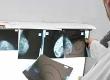
Breast Screening and Implants
Women with breast implants can still get effective mammograms if they tell their radiographer about their implants beforehand.

Choosing to Have a Breast Prosthesis
After breast cancer surgery, a breast prosthesis offers a simpler alternative to reconstruction without additional surgery.
Common Breast Cancer Questions
Get straightforward answers about breast cancer, from what it is to how it's detected and why self-exams matter.

Diagnosing Breast Cancer
How doctors diagnose breast cancer through self exams, clinical checks and imaging tests like mammograms and biopsies.

Fundraising Ideas for Breast Cancer Support
Ways to raise money for breast cancer charities through theme days, sports events, and other community fundraisers.
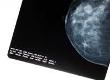
How Is Breast Cancer Treated?
Breast cancer treatment depends on the type, stage and grade of cancer, with options including surgery, chemotherapy, radiation and hormone therapy.
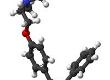
How Was Tamoxifen Discovered?
Tamoxifen was originally developed as a contraceptive pill in the 1950s before becoming a key breast cancer treatment.

Possible Signs of Breast Cancer
Know what changes in your breasts warrant a doctor's visit and why early detection matters for survival rates.

Pregnancy and Breast Cancer
How pregnancy affects breast cancer risk and what women should know about getting pregnant after a cancer diagnosis.
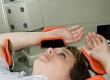
Radiotherapy and Breast Cancer
Radiation therapy uses targeted energy to kill remaining cancer cells after breast surgery and helps reduce the risk of recurrence.
Secondary Breast Cancer Advice and Information
Get clear information about secondary breast cancer, how it spreads, and what it means for your health.

Supporting Loved Ones with Breast Cancer
Help your loved one through breast cancer by offering information, emotional support and practical care when it matters most.
Testing for the Breast Cancer Gene
Genetic tests can show if you carry breast cancer genes like BRCA1 or BRCA2, but having the gene doesn't guarantee you'll develop the disease.

Types of Breast Cancer
Breast cancer can start in milk ducts or glands, ranging from early non-invasive types to invasive forms, each with different treatment options.
What Is a Lumpectomy?
A lumpectomy removes the breast tumour and surrounding tissue to treat early-stage breast cancer while preserving most of the breast.

What Is a Mastectomy?
A mastectomy removes breast tissue to treat or prevent cancer, with different types available depending on how much tissue needs to be removed.

What Is Breast Cancer?
Breast cancer affects thousands yearly, but understanding what it is, how it spreads and what reduces your risk can help you stay informed.
What Is Herceptin?
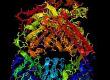
Herceptin is a cancer drug that uses antibodies to block growth signals on breast cancer cells and stop them from multiplying.

What Is Triple Negative Breast Cancer?
Triple negative breast cancer lacks hormone receptors, making it harder to treat and accounting for 15% of breast cancer cases.